Reading 3 of 12 free1776 Club · all 12 storiesSaturday, July 4
From the desk
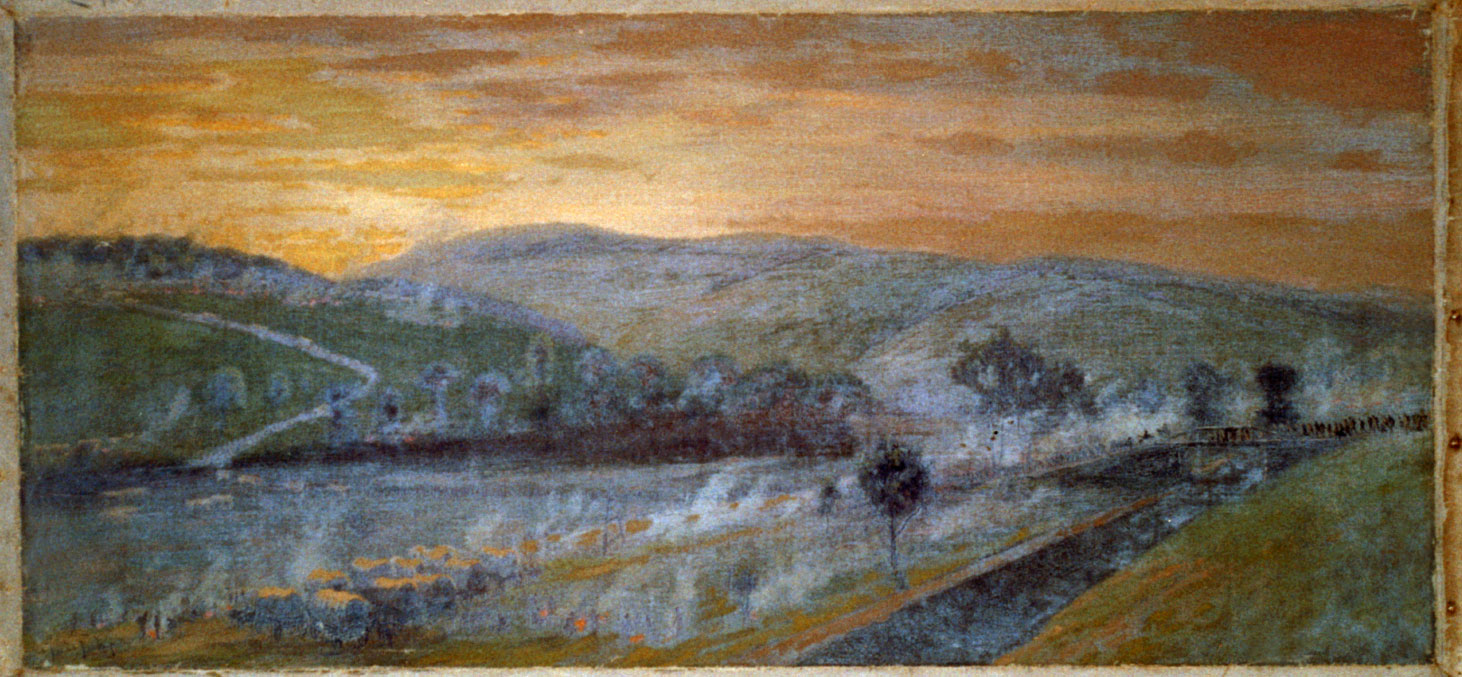
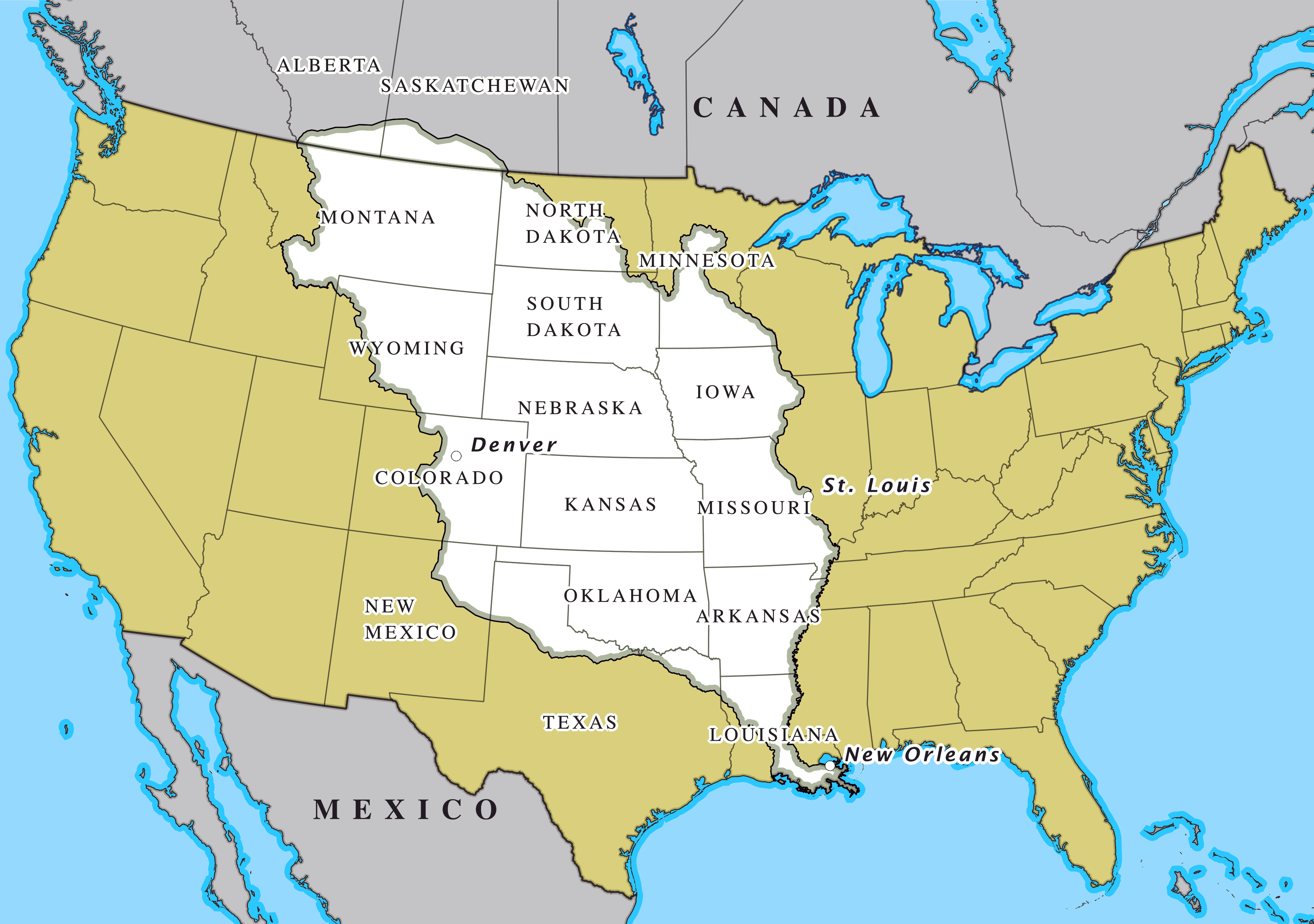
Happy 250th Birthday, America! Naturally, start with 1776 today. Congress adopted Jefferson's Declaration on July 4, and John Dunlap's Philadelphia print shop ran copies that same night, ahead of public readings on July 8. Worth a longer look: 1863, when Lee's beaten Confederate army began its rain-soaked retreat from Gettysburg, wagons stretching twenty miles, trapped for days at a flooded Williamsport before slipping across the Potomac. Also worth noting, 1803's Louisiana Purchase announcement nearly doubled the country overnight. A crowded date, but few others hold a revolution's birth and an army's unraveling side by side.
— The Patriot Compass desk
1776Featured · This day in history
Congress Adopts the Declaration of Independence
By the summer of 1776, the Second Continental Congress had been running a war for a year without formally saying why. On July 2, delegates adopted Richard Henry Lee's resolution declaring independence. Two days later, on July 4, they agreed unanimously to Thomas Jefferson's Declaration of Independence, and John Dunlap's Philadelphia print shop began running off copies that night. Public readings followed on July 8 in Philadelphia, Easton, and Trenton.
This was the moment the Congress stopped petitioning the Crown and started building a country. The same body that had begged George III for reconciliation in the Olive Branch Petition now declared thirteen colonies a sovereign nation, sent diplomats to France for recognition, and began drafting the Articles of Confederation. Every American institution since traces its authority back to this vote.
Did you know
QWhy did most delegates sign the Declaration nearly a month after July 4?
The famous engrossed parchment copy, the one with John Hancock's oversized signature, wasn't ready for most delegates to sign until August 2, 1776. Congress had approved the text on July 4 and Dunlap's printed broadsides went out that night, but the formal signing ceremony came weeks later once the document had been copied out in careful script. Benjamin Rush, writing to Adams decades afterward in 1811, remembered the room falling into what he called 'pensive and awful silence' as men stepped forward to sign a document that, if the war went badly, amounted to a death warrant for treason.
QHow did one Georgia delegate end up debating independence without a vote?
Lyman Hall arrived in Philadelphia representing St. John's Parish in Liberty County, one section of Georgia pushing for independence ahead of the rest of the colony. He took part in debates but Congress withheld his vote until all of Georgia formally endorsed the Congress, which didn't happen until July 1775. Georgia had skipped the First Continental Congress entirely the year before, making it the last of the thirteen to join the cause it would eventually vote to separate from Britain.
QWhat forced the Congress to relocate twice while running the war?
British troop movements chased Congress out of Philadelphia entirely. During the winter of 1776-77 delegates convened in Henry Fite's tavern in Baltimore, and by September 1777 they'd relocated again to York, Pennsylvania. A government conducting foreign diplomacy, directing an army, and drafting the nation's first constitution was, for stretches of its own founding, operating out of a tavern and a small Pennsylvania town rather than the hall where independence was declared.
The Daily Record · free by email
Tomorrow's edition in your inbox — one story, one quote, the flag.
1802military
United States Military Academy Opens at West Point
By 1802, the young republic still had no way to train its own military engineers or officers, relying instead on ad hoc experience and European manuals. On July 4, 1802, the United States Military Academy officially opened at West Point, New York, on high ground overlooking the Hudson River that the Continental Army had held since 1778. A small group of cadets enrolled under first superintendent Jonathan Williams. Joseph Gardner Swift became its first official graduate that October.
United States Military Academy, West Point, New YorkStory page →
The American Throughline
Jefferson, a man wary of standing armies, signed the law creating a national military school anyway, betting that trained engineers mattered more than ideological purity. That bet paid out in the officers, bridges, and railroads West Point graduates built across the next century. It became the oldest of the five American service academies and its site remains the oldest continuously operating Army post in the country.
Did you know
QHow wide was the age range among West Point's earliest cadets?
Remarkably wide by any modern standard. In the academy's first years, cadets ranged from boys as young as 10 to men of 37, all training side by side with no entrance exam to sort them. Length of study was just as loose, stretching anywhere from six months to a full six years depending on the cadet and the needs of the young Army. It would take Sylvanus Thayer's reforms starting in 1817 to impose the standardized age and curriculum requirements that later generations of cadets would recognize.
QWhy was the West Point site already Army property before the academy existed?
The Continental Army had occupied the bluff since January 27, 1778, holding it as strategic high ground overlooking the Hudson River roughly 50 miles north of New York City. That made the site a natural chokepoint during the Revolutionary War, decades before anyone proposed building a school there. The continuous occupation since 1778 is why West Point holds the distinction of being the oldest continuously operating Army post in the United States, a title that predates the academy itself by 24 years.
QWhat unusual career loop did the academy's very first graduate complete?
Joseph Gardner Swift graduated as the academy's first official cadet in October 1802, and a decade later found himself running the place he had once attended as a student. He served as superintendent from 1812 to 1814, making him both West Point's first product and one of its early leaders in the same short span. Few institutions can claim their founding graduate returned to run the school before it was even fifteen years old.
1960government
The 50-Star Flag Officially Debuts at Fort McHenry
Hawaii had been a state for almost eleven months, and the flag still had only 49 stars. On July 4, 1960, the new 50-star flag flew for the first time at Fort McHenry in Baltimore, Maryland, the site that had inspired "The Star-Spangled Banner." President Eisenhower had ordered the design the previous August, the moment Hawaii's admission became official. The pattern that unfurled that morning has not changed since.
The 50-star flag has now outlasted every one of the 26 prior versions, flying longer than the 48-star flag's 47-year run and far longer than Betsy Ross's 13-star original. A design settled in 1960, born from a public contest that drew more than 3,000 submissions, became the only flag most living Americans have ever known.
Did you know
QHow many people submitted flag designs before the government picked the final pattern?
More than 3,000 ordinary citizens mailed in their own arrangements of stars and stripes, hoping the committee would pick theirs. The judges were not a single office but a mixed panel drawing on the Armed Forces, the Interior Department, the State Department, and the Commission on Fine Arts. Out of that flood of amateur cartography came the now-familiar staggered rows of fifty stars, a design so ordinary-looking today that it is easy to forget it once had 3,000 competitors.
QWhy did Eisenhower sign two separate flag executive orders less than eight months apart?
Alaska's statehood forced Executive Order 10798 on January 3, 1959, locking in a 49-star flag. Then Hawaii was admitted just seven months later, on August 21, 1959, and Eisenhower signed Executive Order 10834 that same day, already redesigning a flag that had barely been printed. The 49-star flag turned out to be one of the shortest-lived versions in American history, a placeholder between two admissions.
QWhat did Fort McHenry have to do with the changeover between the 49-star and 50-star flags?
Fort McHenry, the site that inspired the Star-Spangled Banner, flew the 49-star flag on Independence Day 1959 and the 50-star flag on Independence Day 1960, one year apart, marking the exact turnover in miniature at a single historic site. Two consecutive Fourth of Julys at the same fort, two different flags, a full year of overlap while the nation waited on the new design.