Reading 3 of 6 free1776 Club · all 6 storiesWednesday, July 22
From the desk
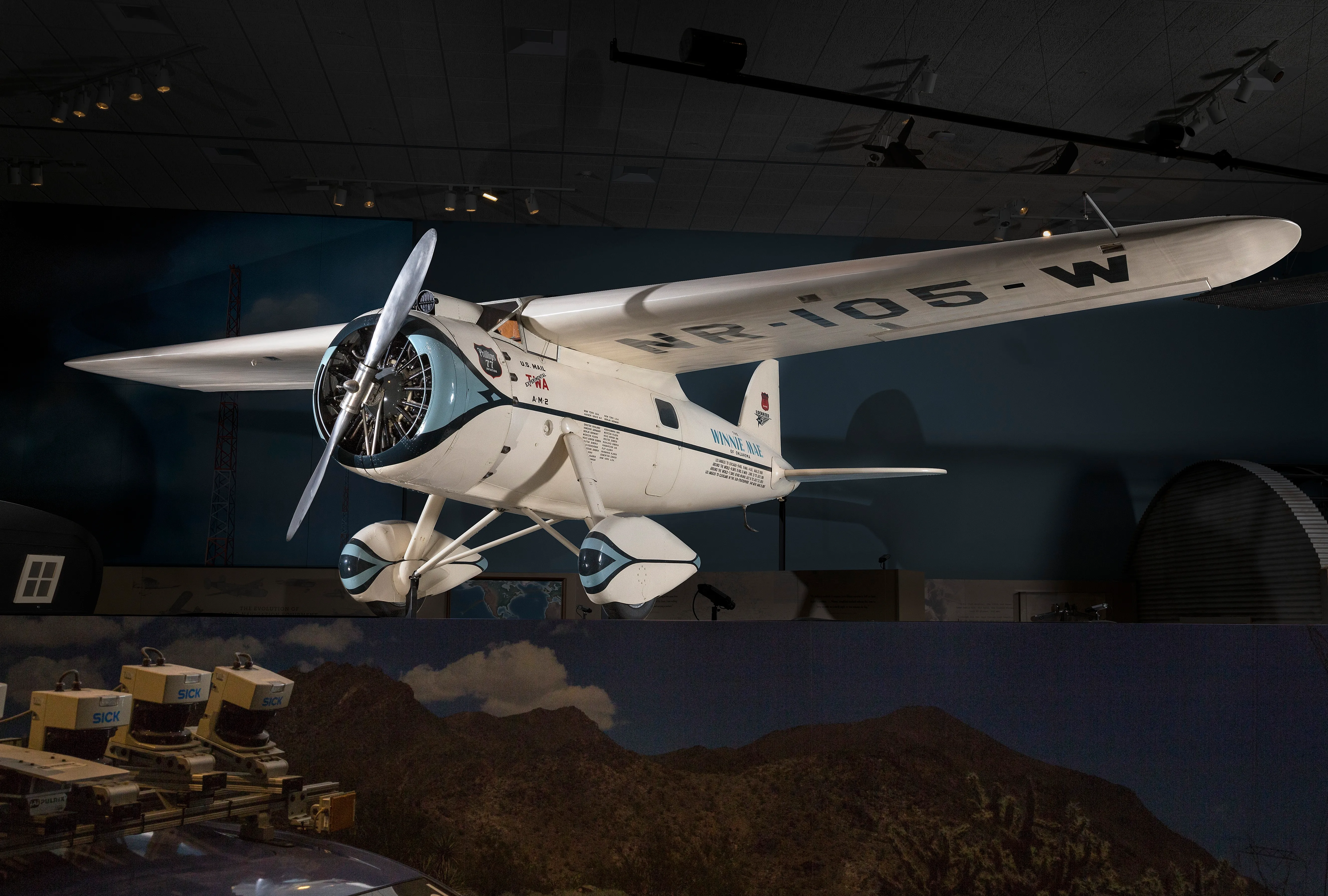
Start with Palermo, 1943. Patton drove the Seventh Army across western Sicily and took the island's capital on collapsing Italian resistance. Worth a longer look: Katharine Lee Bates drafts "Pikes Peak", not realizing she had just authored "America the Beautiful". Smaller but don't miss: Wiley Post landing in New York in 1933, alone, eight days after he left, first man to fly around the globe solo.
— The Patriot Compass desk
1943Featured · This day in history
Palermo Falls to Patton's Seventh Army
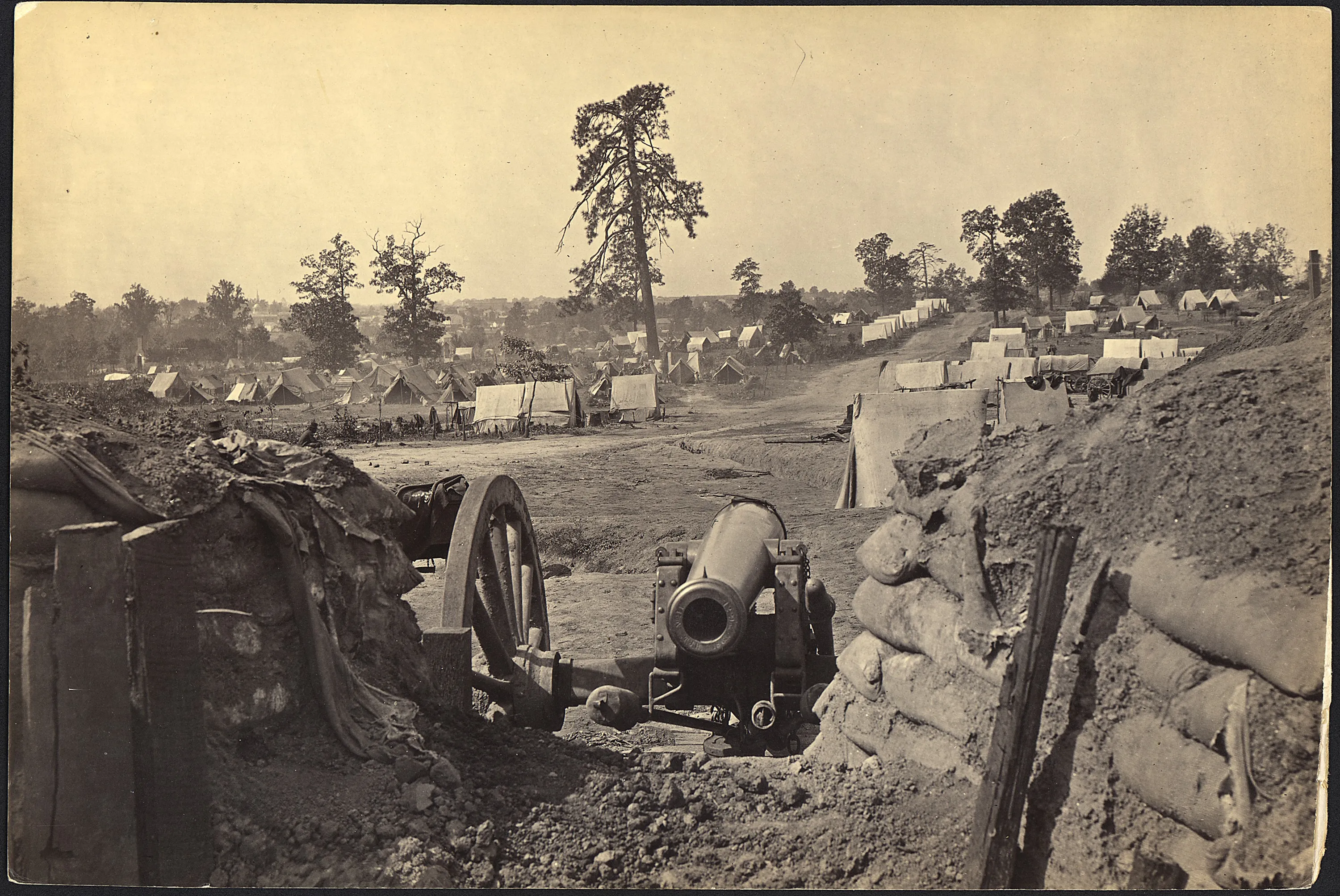
By mid-July 1943, the Allies had already fought through scattered paratroop landings and stubborn coastal defenses to gain a foothold on Sicily. General George S. Patton pushed his U.S. Seventh Army across the island's western half, and on July 22 his forces entered Palermo, the island's capital, against collapsing Italian resistance. The city's fall gave the Allies a major port and supply base to support further operations toward Messina. The Germans still held the island's northeast, and Messina remained weeks away.
Palermo was Patton's first captured capital of the war and the moment the American press began treating him as a household name. The campaign that followed built the reputation, and the temperament, that carried him into Normandy and the drive across France a year later.
Did you know
QHow did the Allies convince Axis commanders to look the other way from Sicily?
Weeks before the landings, British intelligence floated a corpse off the Spanish coast dressed as a Royal Marines officer and carrying fake documents describing planned invasions codenamed Operation Brimstone (Sardinia) and an invasion of Greece. The operation, run under the cover name Mincemeat, worked well enough that German attention drifted away from Sicily in the run-up to July 9. Combined with an intensive bombing campaign against Sicilian airfields, it left the island's defenders shorter on aircraft and less prepared than they might have been.
QWhat went wrong for the British glider troops on the first night?
Of 147 gliders sent in to seize bridges and high ground ahead of the main landings, only 12 came down on or near their intended targets. High winds off the coast scattered the rest across the countryside or into the sea; Major General George F. Hopkinson of the 1st Airborne Division himself ended up in the water and had to be pulled aboard the landing ship HMS Keren.
QWhat amphibious vehicle changed how the Allies kept troops supplied on Sicily's beaches?
General Sir Harold Alexander singled out the DUKW, a six-wheeled amphibious truck that could drive off a ship, swim ashore, and keep rolling inland without unloading onto a dock. He called it a revolution in beach maintenance, since it let supplies move directly from ship to front line without the bottleneck of a captured port, a problem that mattered enormously before Palermo's harbor was secured.
The Daily Record · free by email
Tomorrow's edition in your inbox — one story, one quote, the flag.
1893culture
Katharine Lee Bates Drafts "America the Beautiful" Atop Pikes Peak
In the summer of 1893, with the country deep in economic depression and factory towns choking on their own growth, Katharine Lee Bates was teaching English at Colorado College in Colorado Springs. She and fellow teachers hired a prairie wagon, then switched to mules, to reach the summit of Pikes Peak. Exhausted and dazzled by what she called the "sea-like expanse" below, Bates scribbled the first draft of a poem in her notebook that night. She titled it simply "Pikes Peak."
Bates had seen sexist prejudice firsthand, and she had watched industrial poverty spread through American and British cities. Written in the middle of a depression rather than a celebration, her poem imagined an egalitarian American community, not a triumphant one. The tension between hardship and hope persists: "America the Beautiful" has been proposed repeatedly, and never successfully, as a national hymn to rival the anthem.
Did you know
QWhat was "America the Beautiful" originally called?
Bates titled her first draft simply "Pikes Peak," after the mountain that inspired it. The poem did not carry the name "America" until its first publication in The Congregationalist on July 4, 1895, two years after she wrote it. The now-familiar title, "America the Beautiful," came later still, after further revisions in 1904 and 1913. The mountain that gave the poem its working title survives mainly in its opening image of purple mountain majesties.
QWhere did the melody for "America the Beautiful" come from?
The tune was not written for Bates's poem at all. Samuel A. Ward, a church organist and choirmaster, composed it in 1882 for an entirely different hymn called "O Mother dear, Jerusalem." It carried the name "Materna." The pairing with Bates's poem did not happen until 1910, seventeen years after she wrote the first draft on Pikes Peak and twenty-eight years after Ward wrote the melody. Neither Bates nor Ward set out to write a patriotic standard; the song assembled itself from two unrelated projects decades apart.
QDid Katharine Lee Bates get involved in national politics later in life?
Yes. Bates was raised in a Republican household but broke with the party in 1924 over its rejection of Woodrow Wilson's League of Nations. She wrote that she could not "bear their betrayal of Mr. Wilson," calling the League "our one hope of peace on earth," and endorsed Democratic candidate John W. Davis that year. The poet who wrote one of the country's best-loved patriotic songs was, by the 1920s, a committed political dissenter within her own family's tradition.
By early 1937, the Supreme Court had struck down measure after measure of Roosevelt's New Deal, and the President decided the bench itself was the obstacle. On February 5 he proposed adding up to six new justices, one for every sitting member over 70 who refused to retire. Fellow Democrats broke with him, Vice President Garner gave the plan a thumbs down from the back of the Senate chamber, and on July 22, 1937, the Senate voted 70-20 to send the bill back to committee, killing it.
A president at the height of his popularity tried to reshape a co-equal branch and lost to his own party. The Court, meanwhile, began upholding New Deal legislation anyway, a shift historians call "the switch in time that saved nine," one that changed the course of constitutional law without a single seat changing hands.
Did you know
QWhat did Vice President Garner do from the back of the Senate chamber?
John Nance Garner, Roosevelt's own vice president, opposed the plan without saying a word. Standing at the rear of the Senate chamber during the debate, he held his nose with one hand and gave a thumbs down with the other, a verdict from the second-highest official in the administration that the bill was rotten. Garner's gesture became one of the enduring images of the fight: the deepest opposition to the plan came from inside Roosevelt's own party and even his own ticket.
QHow did Roosevelt try to sell the plan to the public directly?
On March 9, 1937, a month after introducing the bill, Roosevelt took his case straight to American living rooms in a fireside chat, asking listeners whether justice was served when the Court was forced to decline hearing 87 percent of the cases private litigants brought before it. It was a striking, specific statistic meant to paint an overworked judiciary in need of relief. Chief Justice Hughes flatly contradicted the premise in his own letter to the Senate, denying any such backlog existed.
QWhat unplanned event derailed the bill's chances in the Senate?
Senate Majority Leader Joseph Taylor Robinson was the administration's most important vote-counter and its most committed champion for the bill on the floor. In the middle of the debate, he died suddenly of a heart attack, removing the one person best positioned to whip votes and hold the coalition together. His death came on top of months of delay from Judiciary Committee chairman Henry Ashurst, and the plan lost its floor general.