Reading 2 of 5 free1776 Club · all 5 storiesFriday, July 31
From the desk
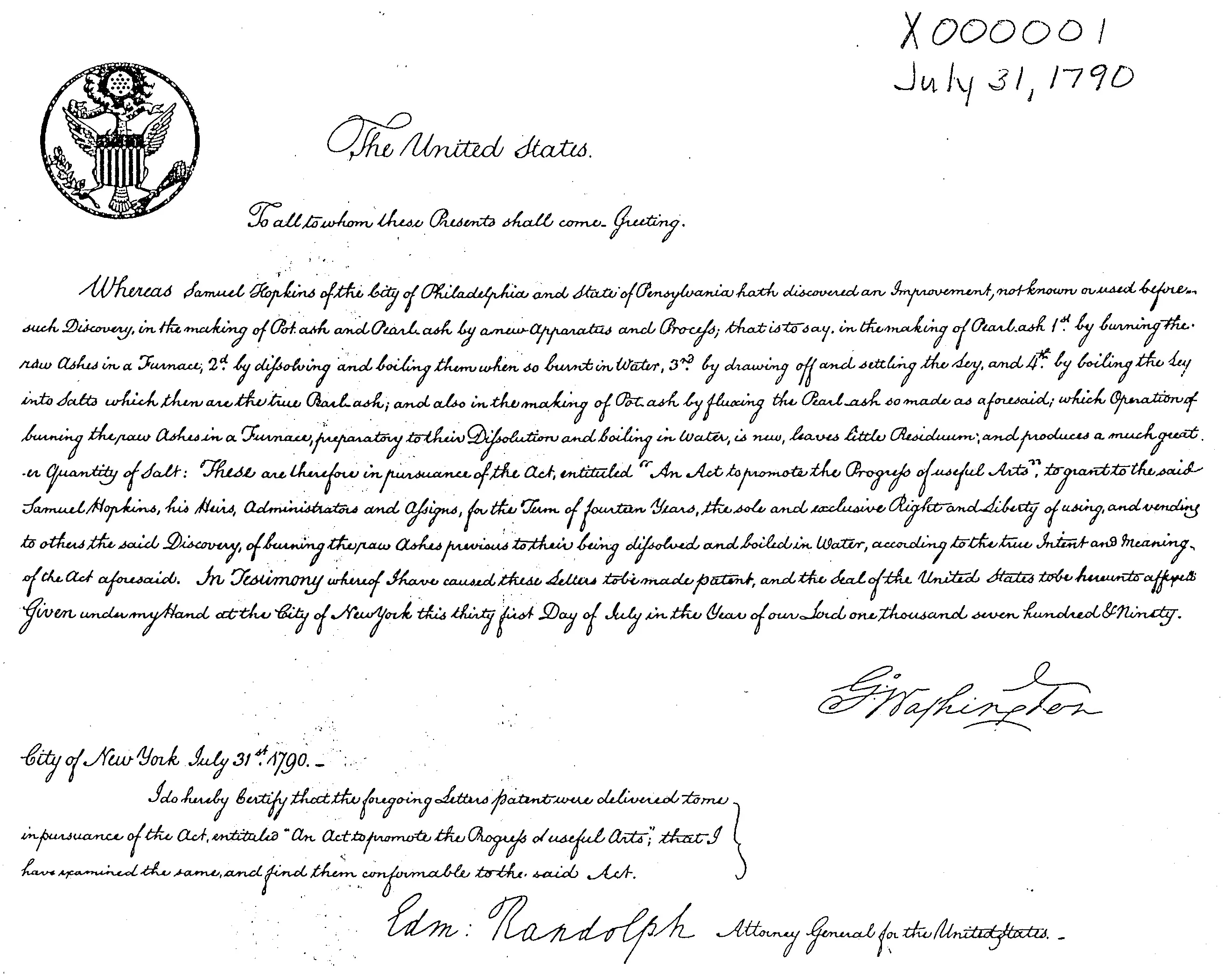
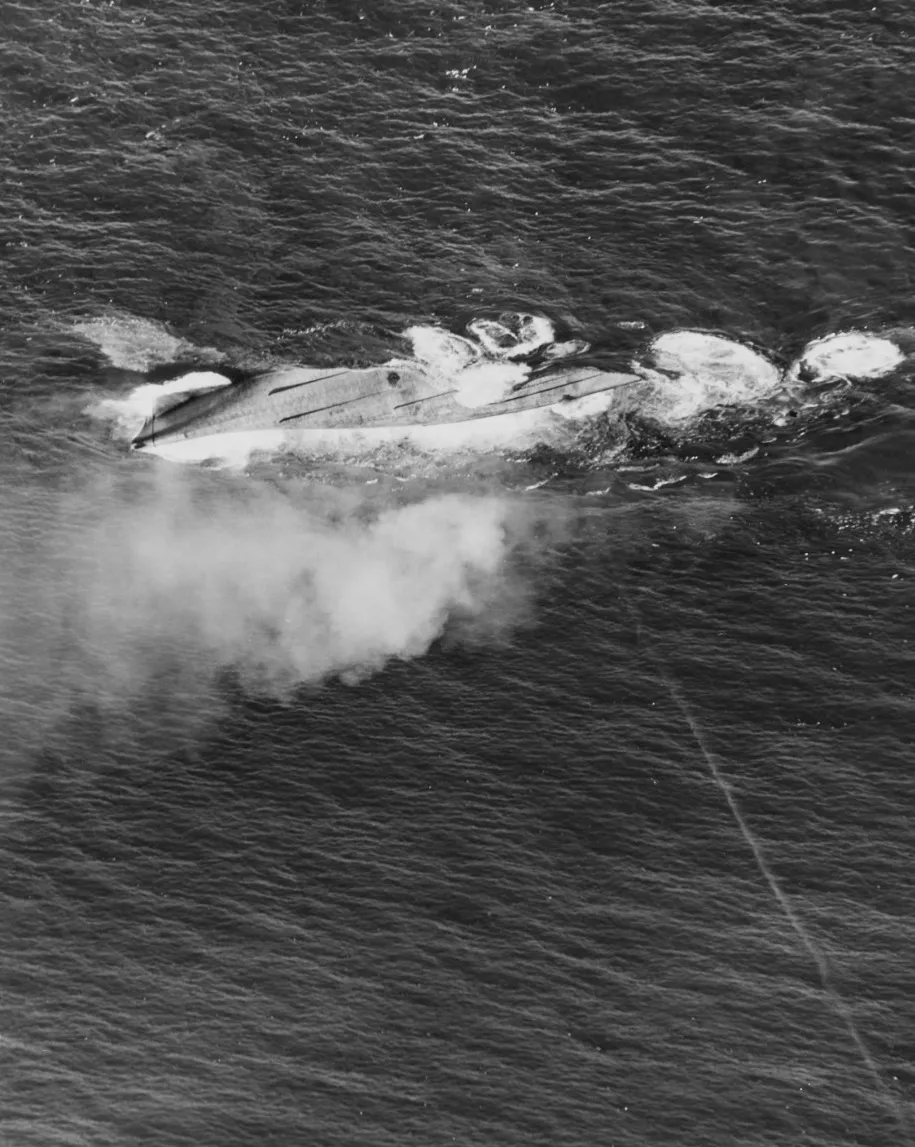
Start with 1777: a nineteen-year-old French aristocrat offered to fight for a broke Congress at his own expense, and on July 31 they made him a major general. Washington took him in within weeks. Worth a longer look: 1790, when Samuel Hopkins paid about four dollars for the first U.S. patent ever issued, on a potash formula signed by Washington himself. Also on this date, the irradiated USS Nevada finally went under in 1948, and Bush and Gorbachev cut the world's nuclear stockpiles by thousands in 1991.
— The Patriot Compass desk
1777Featured · This day in history
A nineteen-year-old Frenchman becomes a major general; Congress asks for no pay in return
By the summer of 1777, the Continental Congress was operating with an empty treasury, unable to pay foreign officers. The Marquis de Lafayette, a wealthy nineteen-year-old from France, offered to serve without salary and asked only to volunteer at his own expense. On July 31, 1777, meeting in Philadelphia, Congress passed a resolution commissioning him a major general in the Continental Army. Washington took him into his own military family within weeks.
Lafayette's commission opened the door to French money and muskets, and later a navy that helped make Yorktown possible. Congress had no treasury to speak of; a foreign nobleman willing to serve for free solved a problem money alone could not. His name still marks towns and squares across the country, including a monument near Washington's own.
Did you know
QWhat earlier deal in France set up Lafayette's arrival before Congress ever voted?
Lafayette's path to America ran through Silas Deane, the American agent in Paris who had been quietly recruiting French officers and arranging passage across the Atlantic before Congress ever saw a formal request. Deane's informal promises to European volunteers had already created friction in Congress by 1777, since many arrived expecting rank and pay the Americans could not supply. Lafayette's offer to serve without salary stood out precisely because it solved a problem Deane's earlier arrangements had created. The nobleman's timing mattered too, arriving just as Congress was souring on foreign officers generally.
QWhat did Washington call Lafayette after he was wounded at Brandywine?
Washington praised the young Frenchman's bravery and military ardour after Lafayette took a musket ball to the leg at the Battle of Brandywine in September 1777, just weeks after his commission passed. Congress later echoed that praise in its own language, citing Lafayette's gallantry, skill, and prudence. He spent about two months recovering in Bethlehem before returning to the field in November.
QWhat resolution had Congress passed the previous year on suppressing loyalty oaths to the Crown?
Months before Lafayette's commission, on May 15, 1776, Congress had adopted a resolution advising colonies to suppress oaths of allegiance to the British Crown, part of a broader push that spring toward full separation. That resolution came from the same body, working out of the same makeshift arrangement of committees, that would later vote unanimously to bring a French teenager into its officer corps. The two acts, more than a year apart, show a Congress simultaneously dismantling old loyalties and recruiting new ones from across an ocean.
The Daily Record · free by email
Tomorrow's edition in your inbox — one story, one quote, the flag.
1991government
Bush and Gorbachev sign a treaty to cut the world's largest nuclear arsenals
By 1991, the United States and the Soviet Union together held roughly 20,000 strategic nuclear warheads, built up through four decades of arms racing. In Moscow on July 31, 1991, President George H. W. Bush and Soviet General Secretary Mikhail Gorbachev signed the Strategic Arms Reduction Treaty, capping each side at 6,000 warheads and 1,600 missiles and bombers, with on-site inspections to verify compliance. Earlier treaties like SALT had only capped growth; START I was the first to force actual cuts. Full implementation a decade later eliminated about 80 percent of the era's strategic nuclear weapons.
START I let Washington cut costly forces without ceding advantage, saving an estimated 46 billion dollars in its first five years alone. It also set the verification model, on-site inspectors and satellite confirmation of destroyed bombers, that shaped every U.S. arms-control treaty afterward, including New START in 2010.
Did you know
QWho actually sat across the table doing the day-to-day START negotiating for the US?
Edward L. Rowny held the title of US ambassador for the Strategic Arms Limitation Talks that evolved into START, serving as the chief American negotiator through years of stalled sessions with Moscow. On the Soviet side he dealt for years with foreign minister Andrei Gromyko, who had held that post since 1957 and represented the old Kremlin guard skeptical of concessions. Secretary of State George Shultz, in office from 1982 to 1989, worked the political layer above the negotiating table, coordinating with Reagan on how far to push Moscow on the Strategic Defense Initiative dispute that kept freezing progress. The pairing of a career arms negotiator like Rowny with a long-tenured Cold War fixture like Gromyko meant early rounds were shaped by institutional habits as much as by the numbers themselves.
QWhat kept a Soviet officer physically posted at an American missile site around the clock?
The treaty's verification regime included something called Perimeter and Portal Continuous Monitoring, a system that placed a representative from the verifying side on location at all times rather than relying on periodic visits. This meant Soviet, and later Russian, monitors could be stationed continuously at designated US facilities, watching activity in real time instead of scheduling inspections around it. Paired with national technical means, the satellites and other information-gathering systems each side controlled independently, the arrangement gave both militaries a standing set of eyes inside the other's territory. Earlier Cold War arms agreements had relied on distant surveillance and self-reporting; PPCM put a live human observer on the ground instead.
QWhy were Soviet bombers built to fly toward the Atlantic rather than the United States?
Most of the Soviet bomber fleet was configured almost entirely for a different mission than striking American cities: attacking US convoys crossing the Atlantic and hitting land targets across the Eurasian continent. Of that force, only about 150 aircraft actually had the range and equipment to reach North America directly. That changed in 1984 when the newer Tu-95MS and Tu-160 entered service, carrying AS-15 cruise missiles that extended their effective reach. That's why raw bomber counts could mislead: most of the fleet wasn't built to hit North America at all, which negotiators had to account for when weighing bomber limits against missile limits.