Reading 3 of 6 free1776 Club · all 6 storiesSaturday, September 5
From the desk
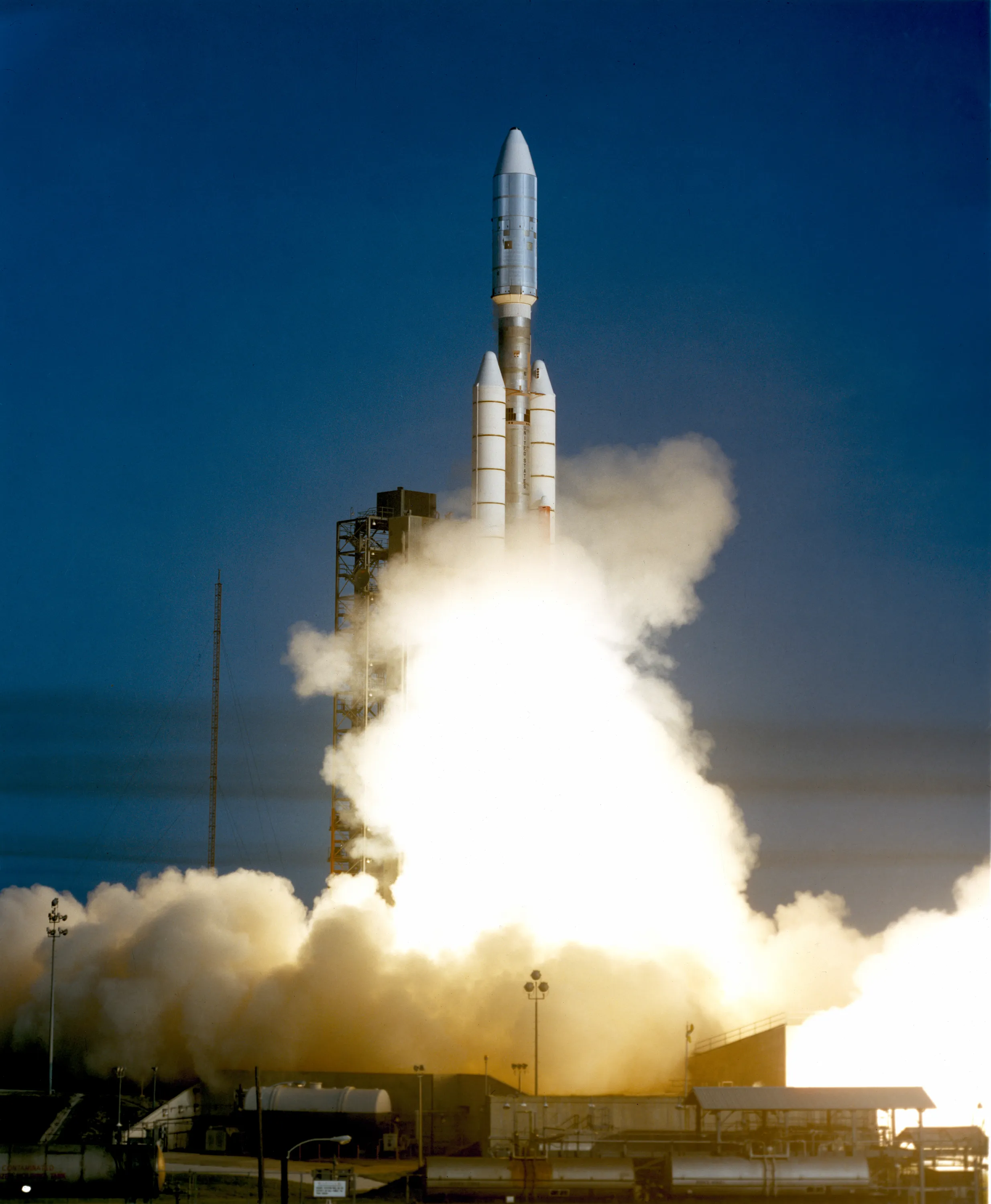
Start with 1774: twelve colonies, Georgia absent, filing into Carpenters' Hall to elect Peyton Randolph president. It was the first time the colonies acted as one political body, months before anyone spoke openly of independence. Worth a longer look: 1977, when Voyager 1 left Cape Canaveral with its upper stage burning past the edge of empty, 3.4 seconds of fuel left, and still made orbit toward Jupiter and Saturn. Also on the page, Sadat and Begin arrived at Camp David barely speaking, needing Carter to carry messages between cabins for thirteen days. A crowded date for firsts.
— The Patriot Compass desk
1774Featured · This day in history
Delegates from twelve colonies gather at Carpenters' Hall; Georgia stays home
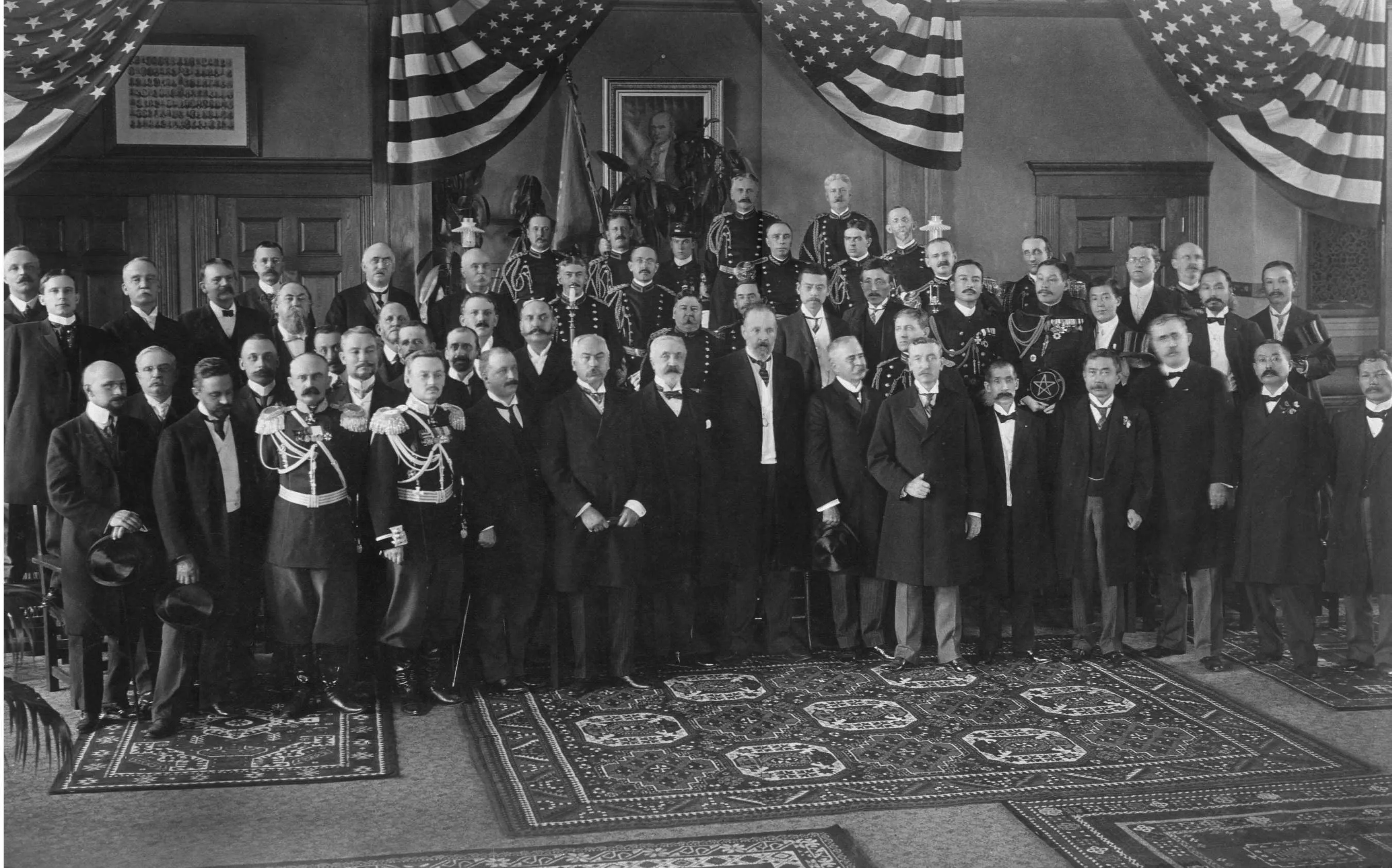
By the summer of 1774, Massachusetts was living under martial punishment. Parliament's Intolerable Acts had shut the port of Boston, gutted the colony's charter government, and quartered troops among its people, in retaliation for the Tea Party of the previous December. On September 5, delegates from twelve colonies (Georgia sent no one) filed into Carpenters' Hall in Philadelphia and elected Peyton Randolph of Virginia president. It was the first time the colonies had organized a joint political body of their own.
This was the first time delegates chosen by the colonies' legislatures, committees of correspondence, or the people themselves sat as one body and acted as one, the organizational rehearsal for the Congress that declared independence two years later. The rules they wrote that week, and the habit of colonies negotiating as equals rather than subjects, became the working template for the government the colonies would soon build.
Did you know
QHow steep was the drop in British imports after the colonies launched their boycott?
Imports from Britain collapsed by 97 percent in 1775 compared to the year before. The Continental Association, signed by the delegates, had set December 1, 1774 as the start date for the boycott, and colonies backed it with committees of observation and inspection in every locality to catch violators. The Congress also planned a second squeeze: if Parliament still refused to repeal the Intolerable Acts, the colonies would stop exporting goods to Britain after September 10, 1775. The numbers show the boycott worked, hitting British merchants hard enough to matter in Parliament's later calculations.
QWhich colonies outside the original thirteen got a personal invitation to join the cause?
Before adjourning, Congress sent letters inviting Quebec, Saint John's Island, Nova Scotia, East Florida, and West Florida to send delegates to the next meeting, alongside Georgia, which had skipped the first session entirely. None of these five accepted. Quebec's French Catholic population and recent conquest by Britain made common cause with English Protestant colonists unlikely, while the Floridas and Nova Scotia depended heavily on British military and trade protection. The invitations reveal that the delegates in 1774 were not yet picturing thirteen colonies as a fixed, final set. They were still testing how far the resistance could reach, from Quebec to the Floridas.
QWhat split the delegates before they ever got to voting on a boycott?
Two factions showed up with opposite instincts. Joseph Galloway, John Dickinson, John Jay, and Edward Rutledge wanted to pressure Parliament into rescinding the Acts through negotiation, hoping reconciliation was still possible. Patrick Henry, Roger Sherman, Samuel Adams, and John Adams pushed instead for a hard statement of colonial rights and liberties, treating the moment as bigger than one set of punitive laws. Galloway himself later proposed a plan for an American parliament under the Crown, an idea the Congress ultimately rejected. The tension between these camps ran through the fall's debates, and it split delegates along lines that would separate loyalists from patriots in the years ahead.
The Daily Record · free by email
Tomorrow's edition in your inbox — one story, one quote, the flag.
1882culture
Unions march from City Hall to Union Square in the first Labor Day parade
On September 5, 1882, the Central Labor Union staged staged a weekday parade built around workers instead of soldiers or dignitaries. Marchers stepped off from City Hall and moved through lower and midtown Manhattan before massing at Union Square, where speeches followed the walk. Organizers called it a workingmen's holiday, complete with a picnic where local unions sold tickets to raise funds. The idea, still untested outside New York, took twelve more years to become federal law.
This parade gave the American labor movement its first public spectacle, a template of march-then-picnic that unions repeated for decades. Oregon made it official first, in 1887; Congress and President Grover Cleveland followed in 1894. The first Monday of September on the calendar today traces back to that single afternoon in Manhattan.
Did you know
QWhy did organizers insist the picnic sell tickets rather than give the day away free?
Peter J. McGuire built fundraising into the holiday's design from the start. His original recommendation specified that participating local unions could sell tickets to the picnic following the parade, turning a solidarity march into a source of union revenue. It was a practical touch for a labor movement still scraping together dues and strike funds in the early 1880s. The picnic was the financial engine McGuire built into the day's design.
QWhich state beat the federal government to making Labor Day official?
Oregon did, by seven years. In 1887, Oregon became the first state in the country to designate Labor Day an official public holiday, well before Congress acted. It took until 1894 for the federal government to catch up, when Congress passed a bill and President Grover Cleveland signed it into law on June 28 of that year. Oregon's early move shows the holiday had traction at the state level well before it had national force.
QWho actually gets credit for picking the first Monday in September as the date?
Two men are credited with proposing the date. Matthew Maguire, secretary of the Central Labor Union, is credited with proposing the first Monday of September as the date, building on McGuire's original call for a general holiday. The Central Labor Union did not formally adopt the first Monday in September until 1884, two years after the inaugural parade.
1978government
Sadat and Begin sit down at Camp David; Carter will need thirteen days
Ten months after Anwar Sadat's startling visit to Jerusalem, the peace he had opened talks toward still had no written terms. On September 5, 1978, Sadat and Israeli Prime Minister Menachem Begin arrived at Camp David, the presidential retreat in Maryland's Catoctin Mountains, at Jimmy Carter's invitation. The two leaders were barely on speaking terms, so Carter planned to carry messages between their cabins himself. The talks had no fixed end date. They ran thirteen tense days before anyone signed anything.
Camp David was one of the first times an American president personally brokered a peace settlement between foreign heads of state, staking his own credibility on the outcome. Carter's shuttle diplomacy became the template for later American-led negotiations, from Dayton to the Clinton-era Mideast summits, and made Camp David a recurring venue for later diplomatic summits.
Did you know
QWhy did Carter drive Sadat and Begin to a Civil War battlefield in the middle of a peace summit?
On roughly the tenth day of stalled negotiations over the West Bank, Carter loaded both delegations into cars and took them to Gettysburg National Military Park, about an hour from Camp David. He used the battlefield as a working metaphor, pointing to the cost paid by men on both sides who had refused to give ground. There is no record either leader found it decisive, though the trip did give both delegations a break from the cabins and gave Carter a chance to reopen the stalled talks the next morning.
QWhat kept Sadat and Begin from walking out and blaming each other in public?
Camp David had no press corps on site, which meant neither leader could step outside and make a statement to rally support back home if talks turned sour. That absence of media coverage cut off an escape valve: a leader who walked away risked taking the blame for the collapse instead of spinning it for a domestic audience. The blackout was deliberate on Carter's part, meant to keep both delegations focused on negotiating instead of on public relations.
QHow did Carter personally handle two men who would not speak directly to each other?
Sadat and Begin were not on speaking terms by the time they reached Camp David. Carter became the go-between, walking between the two men's separate cabins to carry proposals and objections rather than seating the two leaders across a table from each other. The arrangement stretched Carter thin over thirteen days, but it also meant every concession passed through the American president's hands first.