Reading 3 of 6 free1776 Club · all 6 storiesWednesday, September 2
From the desk
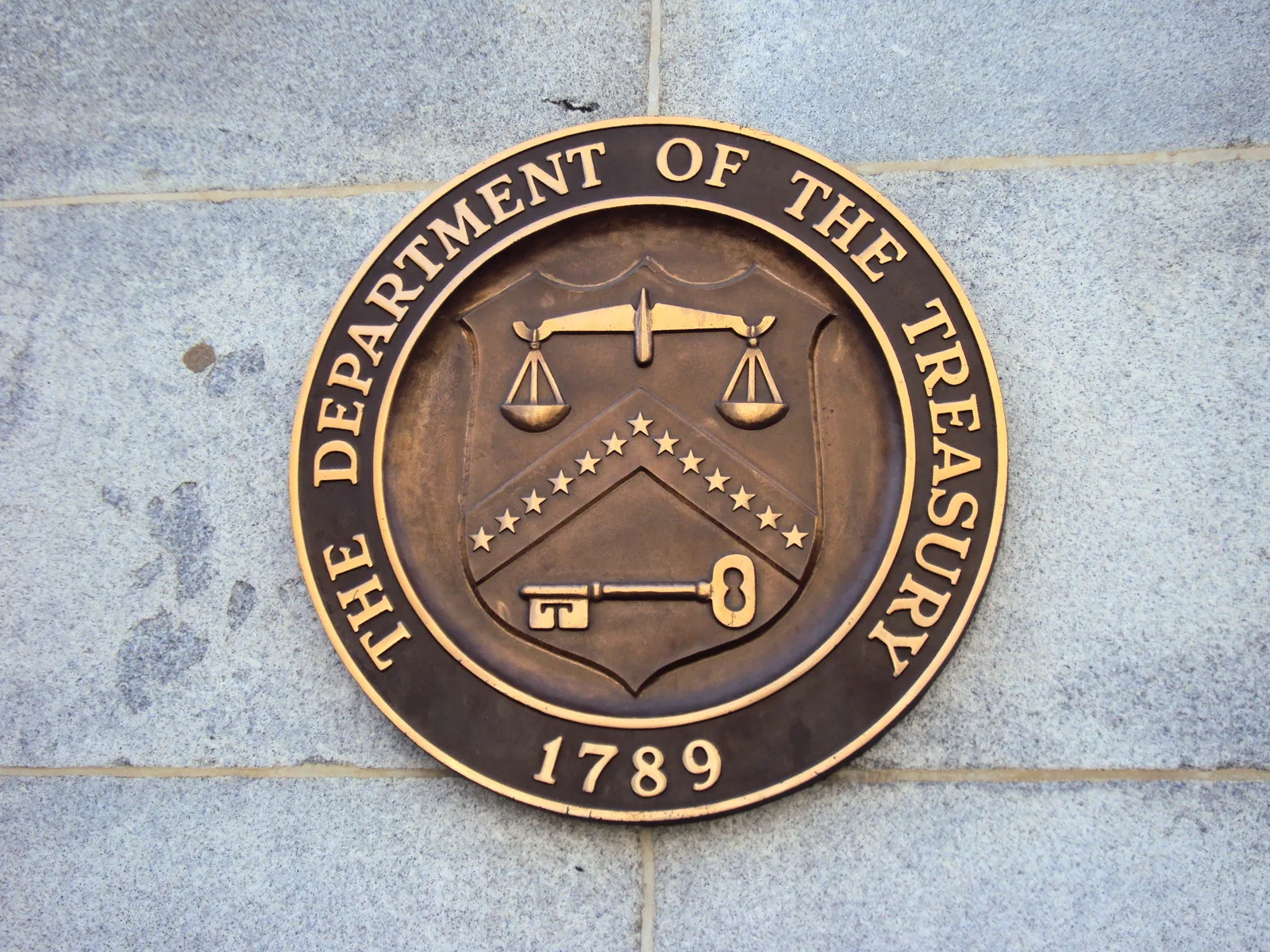
Start with 1945: on the deck of the USS Missouri, Shigemitsu signed the surrender at a table dressed for the occasion, MacArthur used five pens for one signature, and by 9:30 that morning it was finished. Worth a longer look: 1864, when Mayor James Calhoun rode out to hand Atlanta over without a fight, the day after Hood torched what he couldn't hold. And notice how often September 2 turns on a signature: Hamilton's Treasury Department, born the same week, still runs on paperwork nobody wanted to write first.
— The Patriot Compass desk
1945Featured · This day in history
Aboard the Missouri in Tokyo Bay, Japan signs its surrender; the war is over
Three weeks after Japan announced it would surrender, the paperwork still had to be signed. On September 2, 1945, delegates from Japan and the Allied powers gathered on the quarterdeck of the battleship USS Missouri in Tokyo Bay to sign the Japanese Instrument of Surrender. General Douglas MacArthur signed for the Allies, with Fleet Admiral Chester Nimitz representing the United States, while Foreign Minister Mamoru Shigemitsu signed for Japan. By 9:30 that morning the Japanese emissaries had left the ship.
The ceremony sat on American steel because the U.S. Navy had earned the deck it stood on: by 1945 it accounted for over 70 percent of the world's naval tonnage in vessels of 1,000 tons or greater, which the Navy had built from scratch after Pearl Harbor into a two-ocean force. The surrender also launched the American-led occupation of Japan, which by 1947 produced a new Japanese constitution largely shaped by Allied, and chiefly American, authorship.
Did you know
QWhy was a 92-year-old flag flown at the surrender ceremony?
The Naval Academy Museum sent a flag that had flown from one of Commodore Matthew Perry's ships when he sailed into Japan in 1853 and forced the country open to Western trade. Displaying it aboard the Missouri in 1945 tied the end of the Pacific War back to the very beginning of America's dealings with Japan, ninety-two years earlier, closing a symbolic loop in America's dealings with Japan.
QHow many nations besides the United States put a signature on the Japanese surrender document?
Eight other Allied powers signed alongside the United States: the United Kingdom, the Soviet Union, Australia, Canada, France, the Netherlands, New Zealand, and China. Each delegation signed in a fixed order after MacArthur, with each of the nine Allied signatures representing a member of the wartime coalition against Japan.
QWhich legal document specifically obligated Japan to issue the Instrument of Surrender?
The Japanese Instrument of Surrender was issued on September 2, 1945, in direct compliance with the Potsdam Declaration, the ultimatum the Allies had issued weeks earlier demanding Japan's unconditional surrender. That declaration had laid out the terms Japan would be held to, and the Tokyo Bay ceremony put Japan's formal acceptance of those terms into a signed legal record. Without a document tying the ceremony to Potsdam, the surrender would have lacked the binding, treaty-like force the Allies needed to justify the occupation that followed. The signing on the Missouri's deck put Japan's formal acceptance of the Potsdam terms into a signed legal record.
The Daily Record · free by email
Tomorrow's edition in your inbox — one story, one quote, the flag.
1901government
Roosevelt tells a Minnesota crowd: speak softly and carry a big stick
Vice President Theodore Roosevelt stepped up to speak at the Minnesota State Fair on September 2, 1901, in an address titled "National Duties." He told the crowd, "A good many of you are probably acquainted with the old proverb: 'Speak softly and carry a big stick, you will go far.'" It was not the first time he had said the line publicly, having road-tested it in March 1900 in reference to his dealings with New York state senators, but this was the speech that cemented the phrase to his name. Twelve days later, William McKinley was dead and Roosevelt was president, the phrase attached to his name for good.
Minnesota State Fair, Saint Paul, MinnesotaStory page →
The American Throughline
Roosevelt turned a borrowed proverb into the label for American foreign policy for the next decade. As president he used "Big Stick Diplomacy" to justify the Panama Canal, naval expansion, and interventions across Latin America, and the phrase still shows up in debates over how loudly Washington should talk before it acts.
Did you know
QWhat job was Roosevelt actually describing when he first tried out a version of the phrase in public?
In March 1900, months before the Minnesota speech, Roosevelt used an early version of the line to describe how he handled New York state senators as governor, not foreign policy at all. He was talking about domestic political muscle, holding legislators accountable through quiet pressure backed by the threat of public exposure or political consequence. The foreign-policy meaning came later, once he was president and the phrase got attached to the Panama Canal and the Navy instead of Albany politics.
QWhat is a Princess Kay of the Milky Way, and why does the Minnesota Fair carve one from butter?
It is a beauty-pageant style title awarded to a Minnesota dairy princess, and the fair honors her by sculpting her likeness from a 90-pound block of butter, a tradition that has run for decades at the fairgrounds. The sculptor works inside a rotating, refrigerated glass booth so visitors can watch the princess's face emerge in real time. It has nothing to do with Roosevelt's 1901 visit, but it points to how the same fairgrounds that hosted a vice president mid-speech about world power also built its identity around livestock culture and dairy showmanship that predates and outlasts any single politician's appearance.
QHow large has attendance at the fairgrounds Roosevelt visited grown since 1901?
By 2018, the Minnesota State Fair had logged an all-time single-day attendance record of 2,046,533 people across its run, a figure far beyond anything the fairgoers who watched Roosevelt speak in 1901 could have imagined. The fair earned the nickname "The Great Minnesota Get-Together" and remains the largest state fair in the country by average daily attendance, a title it has held for generations. The crowd that heard the vice president test his proverb was witnessing the early growth curve of what would become a genuine American attendance record-holder.
1864military
Atlanta falls: Mayor Calhoun rides out under a flag of truce and gives up the city
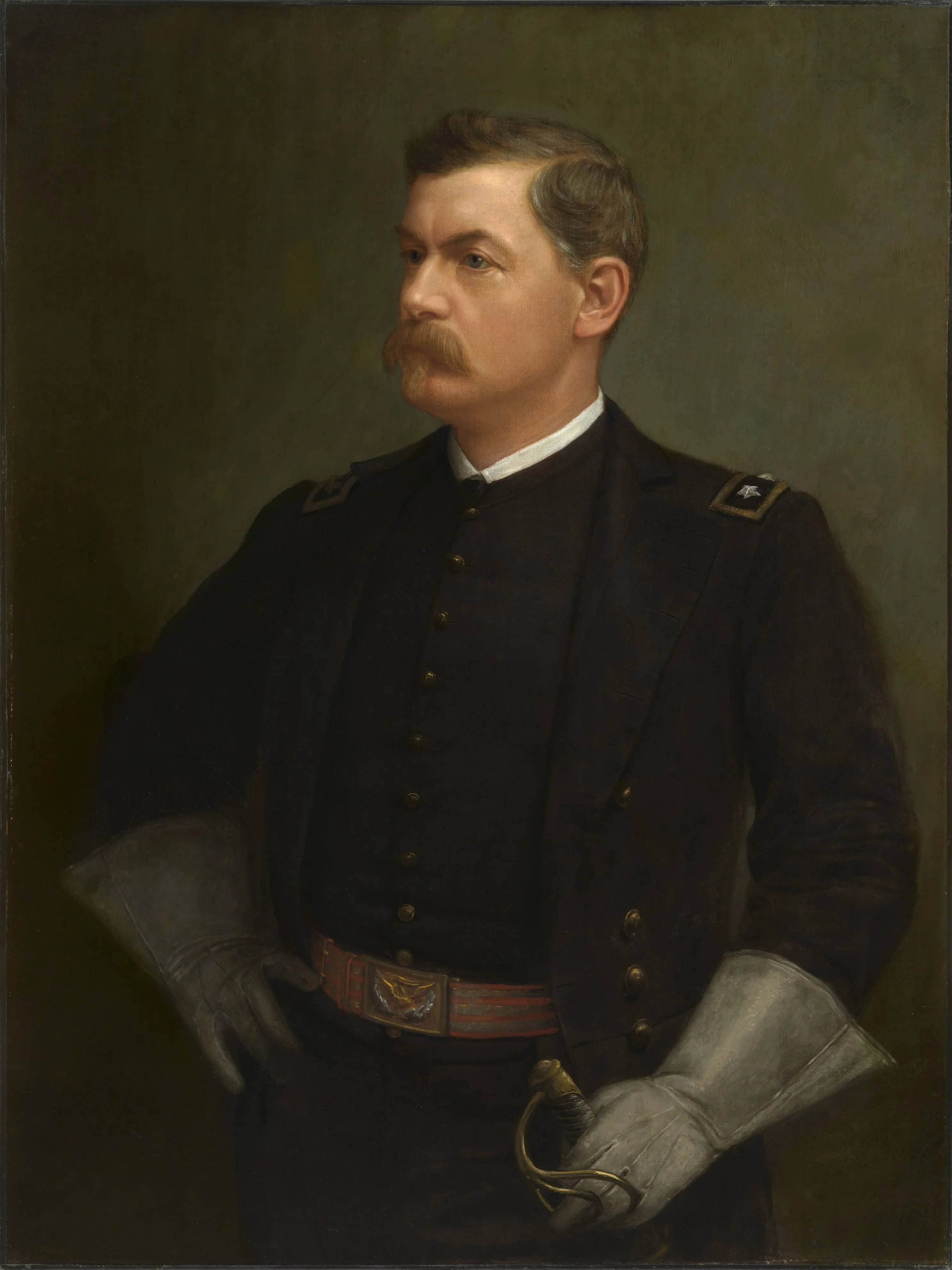
By late summer 1864, Atlanta had spent weeks under siege, its rail lines cut and its defenders running out of room. On September 1, Confederate General John Bell Hood ordered his men to abandon the city, setting fire to public buildings and military stores so nothing useful would fall to the Union. The next morning, September 2, Mayor James Calhoun rode out to surrender Atlanta to advancing Union forces, and General William T. Sherman's army occupied the city without a fight. Sherman's summer-long campaign to take Atlanta was over.
Atlanta's fall gave Abraham Lincoln the battlefield victory his re-election campaign badly needed that November, at a moment when Northern war weariness threatened to hand the White House to a peace candidate. The victory helped sustain Northern support for the war through its final year, to the Confederacy's collapse in 1865.
Did you know
QWhat did Sherman's men do to the railroad rolling stock and machinery Hood left behind?
Confederate crews destroyed what they could carry no further, but Sherman's occupying troops found enough intact rail infrastructure and heavy machinery to be worth dismantling. Atlanta had been the Confederacy's industrial workshop as much as its rail junction, home to foundries and rolling mills that had supplied Confederate armies across the western theater. Union engineers spent the following weeks assessing and, eventually, dismantling what remained useful before the city's later evacuation ahead of the March to the Sea. Sherman's engineers dismantled most of what remained before the army left in November.
QWhy did Jefferson Davis specifically distrust Joseph Johnston's strategy before replacing him?
Davis and Johnston had clashed for years over rank, strategy, and Johnston's habit of withholding his plans from Richmond. Johnston's retreats through northern Georgia, while militarily sound against Sherman's larger force, convinced Davis that Johnston would abandon Atlanta without a real fight. Davis wanted a general willing to risk battle rather than trade territory for time, and he acted on that conviction in July 1864, over the objections of some of his own cabinet. The gamble on Hood's aggression cost the Confederate army heavy casualties before Atlanta fell anyway.
QHow did Northern newspapers frame Sherman's victory against the backdrop of the 1864 election?
Papers sympathetic to Lincoln's re-election ran the Atlanta news alongside direct comparisons to the stalled Overland Campaign in Virginia, framing Sherman's success as proof the war's tide had turned. Democratic opposition papers, which had spent the summer arguing the war was unwinnable, lost their strongest talking point almost overnight. Historians studying the 1864 election have pointed to Atlanta's fall as one of the battlefield events historians point to as having the clearest effect on Northern public opinion that autumn.